
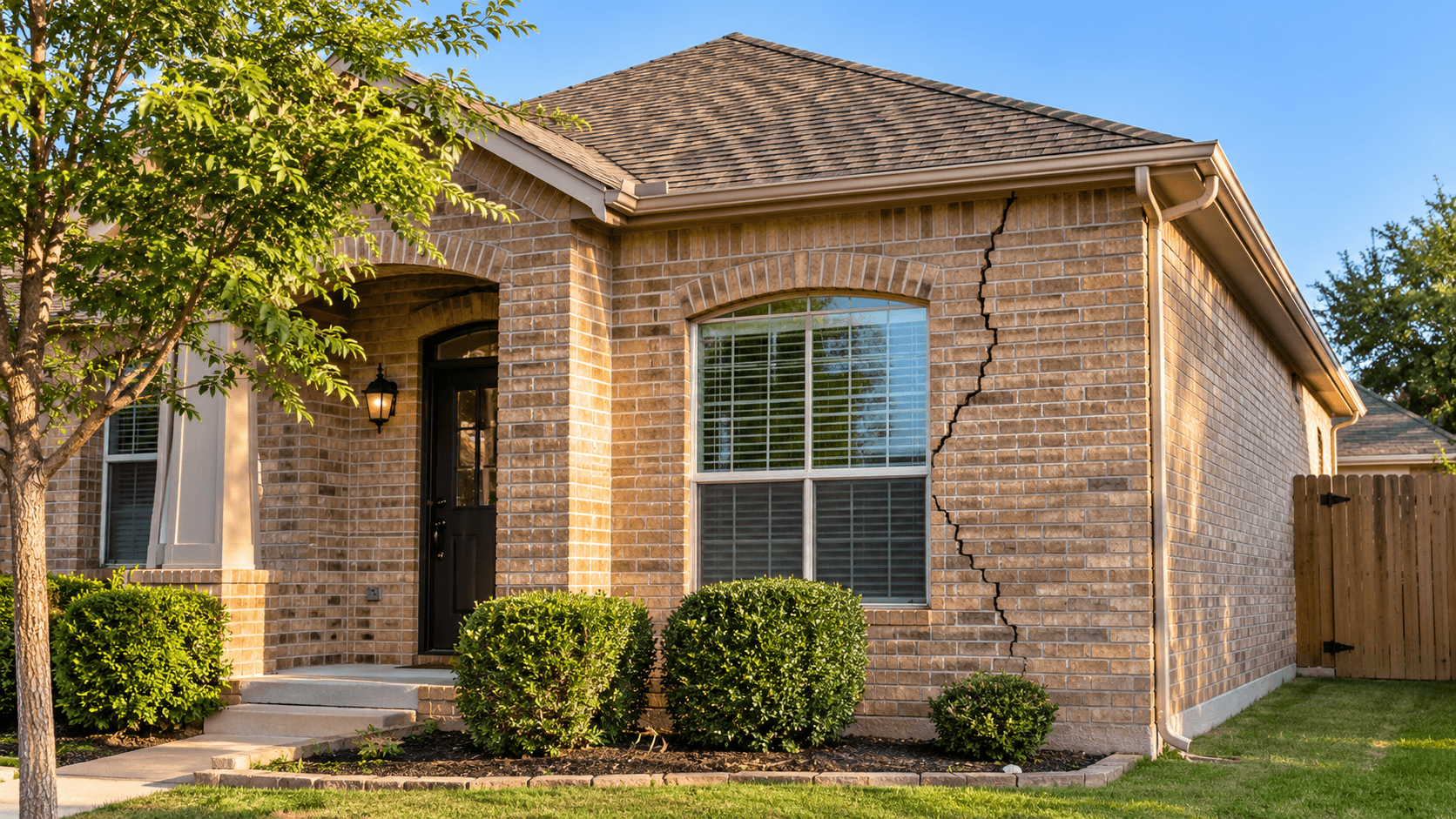

If your house has a foundation problem, it is natural to feel like the sale is doomed before it begins. Cracks in the walls, doors that stick, or a floor that slopes toward one corner can make any seller nervous. The good news is that most homes with foundation damage do sell. The real questions are how they sell, how long it takes, and what price you can realistically expect. This guide walks through seven practical approaches so you can choose the one that fits your home, your timeline, and your budget.
Before making a decision, it's worth learning how cash buyers evaluate properties like yours. Our guide to cash home buyers in Dallas and five things sellers should know walks you through what to expect when selling directly and can help you make a more informed choice.
Get a Professional Assessment First
Many sellers skip this step, then either overprice the house or accept a lower offer than they needed to. A general home inspector can point out that a problem exists, but a licensed structural engineer or qualified foundation specialist can tell you how serious it is, what caused it, and what a proper repair would involve. Ask for a written report. Buyers take a documented assessment far more seriously than a verbal reassurance, and you will need it no matter which path you choose.
Ask the specialist for a repair estimate as well, even if you do not plan to fix the foundation before selling. A written estimate lets you negotiate a credit with the buyer or set a realistic price. Without one, the buyer will guess, and guesses almost always come in higher than the real cost. A clear number also helps your agent or a cash buyer evaluate the house quickly, which shortens the entire process.
Understand the Cause Before Anything Else
The cause matters as much as the damage itself. Expansive clay soil that swells when wet and shrinks when dry, poor drainage that lets water pool against the foundation, tree roots, and leaking plumbing each create different problems with different fixes. If the cause is still active, such as a broken downspout that keeps soaking the soil near a wall, it should be corrected before you sell. Otherwise the damage will continue, and the next inspector will find it again.
Not every crack signals a crisis. Hairline cracks in concrete are common as a house settles, and many of them are purely cosmetic. What buyers look for is whether a crack is wide, runs diagonally from the corners of windows or doors, or keeps growing. A stable, well-documented crack is much easier to sell around than an active one with no explanation behind it.
Repair the Foundation Before Listing
Repairing before you list often makes sense when the damage is moderate, the cost is reasonable compared with the value it adds, and you have time to wait. A completed repair backed by a written warranty gives buyers confidence, can help you reach a stronger price, and removes a common obstacle for buyers who need a mortgage. Lenders are often more willing to approve a loan when a licensed contractor has finished the work and documented it properly.
Get at least two or three written quotes from licensed contractors before you commit, because the first number you hear is not always the most accurate or fair. Keep every invoice and warranty document. These records will matter when you disclose the work, and they show buyers that the problem was handled properly rather than covered up with fresh paint or plaster.
Sell As-Is at a Discounted Price
Selling as-is makes more sense when repairs are expensive, the timeline is tight, or you do not have the money or patience to manage a construction project. The trade-off is a lower sale price. As-is listings tend to attract fewer traditional buyers, because many people will not purchase a home with known structural issues without a significant discount. Some buyers will still see the opportunity, especially investors who already plan to renovate.
If you're considering selling your home as-is, you may find it helpful to learn more about selling a vacant house for cash without making repairs. The process is similar when a property has foundation damage. You can avoid the time and expense of repairs and move forward with a quicker sale, although the offer may be lower.
Be realistic about what you are willing to accept before you list. Going as-is is a legitimate choice, but it works best when you know your numbers in advance and you are comfortable with the price the market will pay. Sellers who go in with a clear floor price tend to avoid the frustration of long negotiations that go nowhere, and they can say no to low offers without second-guessing themselves.
Offer a Repair Credit at Closing
There is a middle path that many sellers overlook. You can list the house on the open market, be upfront about the foundation issue, and offer a repair credit at closing so the buyer can handle the work after purchase. This keeps the sale on the traditional market, shares the financial burden, and often moves a deal forward when a flat price reduction would not.
A credit works best when you have a written repair estimate to share. It gives the buyer concrete numbers to plan around, and it signals that you are being transparent rather than hoping they will not look closely. Your agent can help you structure the credit so it fits the buyer's loan program, since some lenders place limits on how much a seller can contribute toward closing costs or repairs.
Be Honest About the Problem From the Start
Disclosure is not optional in most places, and it is where sellers most often make costly mistakes. Rules vary by state and country, but in general you must tell buyers about known material defects, and a foundation problem almost always qualifies. Your real estate agent or attorney can tell you which disclosure forms apply in your area and what they need to include.
Trying to hide a known foundation problem is a risky gamble. If a buyer discovers the issue after closing, they may pursue a claim for misrepresentation, and the legal costs and settlement amounts can far exceed what you would have lost by being upfront from the start. Honesty also makes negotiations smoother. When a buyer sees that you have nothing to hide, they are more likely to trust your figures and less likely to walk away after the inspection. For general guidance on consumer protection and seller responsibilities, you can read the Federal Trade Commission's consumer resources and always check your state's real estate commission website for the rules that apply to your property.
Sell to a Cash Buyer Who Buys in Current Condition
Not every buyer is a good match for a house with foundation problems. Traditional buyers using conventional mortgages are often the most difficult, because lenders may hesitate to approve a loan on a home with active structural damage. Some first-time buyers using FHA loans face additional requirements that can narrow their options further. Investors, cash buyers, and renovation-minded buyers are generally more comfortable with structural work because they plan to fix it themselves or have the budget to do so.
Professional cash home buyers are another option worth considering. These companies typically purchase houses in their current condition, which removes the need for repairs, extended showings, appraisals, and loan approvals. You will almost always receive less than full market value, but you gain speed, certainty, and a simpler process. This route can be especially helpful if you need to sell quickly because of a job relocation, a divorce, an inheritance, or financial pressure.
Compare the two paths carefully. A traditional sale may bring a higher price but could take months and carry more risk of the deal falling apart during inspections or financing. A cash sale may cost you a portion of the home's value but could close in a few weeks. Weigh your timeline, your finances, and how much stress you are prepared to carry, then decide which trade-off makes the most sense for your situation. If you want to know what a cash offer would look like for your property, you can reach out to our team for a no-obligation offer.
Price the House Based on Its Real Condition
Pricing is where many sellers lose money. A house with foundation damage should not be priced the same way as a healthy house, because buyers will estimate the repair cost, add a margin for risk and inconvenience, and subtract that total from their offer. If you ignore this, the house may sit on the market for months while the price slowly drops, and a stale listing becomes harder to sell with every passing week.
Start by estimating what the home would be worth if the foundation were sound. Then subtract the realistic cost of repairs, including engineering fees and contractor charges, and add a buffer for the surprises that often appear once work begins. Compare this figure with recent sales of similar homes in your area that also had structural problems, not just with healthy homes nearby.Consider the foundation damage when pricing your home. A realistic price can attract more buyer A local agent who has handled these sales can help you find the right comparisons and set a price that attracts serious buyers.
Foundation repair costs vary widely depending on the type of foundation, the extent of the damage, local soil conditions, and regional labor rates. Online averages can give you a rough sense of the range, but written quotes from licensed professionals in your area are the only numbers you should rely on when planning a sale.
Handle the Buyer's Inspection Calmly
Sometimes a buyer's inspector finds issues you did not know about, or the buyer's engineer describes the damage as more serious than your own report did. This is common, and it does not automatically end the deal. Stay calm and treat it as the start of a negotiation rather than a dead end. Many sellers panic at this stage and make concessions they did not need to make, so take a breath before you respond.
You generally have a few options. You can agree to repair the problem before closing, offer a price reduction or credit, or ask the buyer to proceed with the house in its current condition. If the buyer's report raises concerns your own engineer did not address, request a copy and ask your engineer to review it. In many cases the two reports can be reconciled, and a fair compromise follows. Keep the conversation open and respectful, because buyers who feel informed and treated fairly are far more likely to see the deal through to closing.
Moving Forward With a Clear Plan
A foundation problem does not have to ruin your sale, but it does require a clear plan. The sellers who come out ahead are usually the ones who find out the facts early, disclose honestly, price realistically, and choose the approach and buyer that fit their goals and timeline. Every home is different, and the best decision depends on details that only a proper evaluation can reveal.
Whichever path you choose, start with accurate information and a written assessment, then compare your options with clear numbers in front of you. That approach protects your price and your peace of mind, and it gives you the best chance of closing the sale on terms you can live with.